Comprehending the Different Kinds Of A/c System for Optimum Efficiency
Comprehending the numerous types of a/c systems is important for property owners intending to improve convenience and energy effectiveness. Air conditioning systems supply consistent temperature control, while ductless mini-split systems use adaptability. Heatpump supply efficient year-round environment management. For smaller spaces, home window and portable air conditioning system serve as functional solutions. Geothermal systems use constant underground temperature levels for lasting heating & cooling. Each alternative holds one-of-a-kind benefits, motivating a better assessment of which could fit individual needs best.
Air Conditioning Systems
Although lots of house owners seek means to boost indoor comfort, understanding main air conditioning systems is crucial for effective climate control. Central air operates by circulating great air with a system of air ducts, dispersing it evenly throughout the home. This sort of system consists of a number of key parts, consisting of an exterior compressor, an interior evaporator coil, and a network of ductwork.
The compressor cools cooling agent, which after that takes in warm from indoor air as it goes through the evaporator coil. This cooled down air is pressed via the ducts and into living areas, guaranteeing a regular temperature level. Central air conditioning systems are understood for their efficiency, typically utilizing programmable thermostats to maximize energy use. Regular maintenance, such as filter adjustments and system checks, is important to ensure long life and efficiency. Recognizing these components helps homeowners make informed choices regarding setup and upkeep, eventually enhancing convenience and energy effectiveness in their homes.

Ductless Mini-Split Equipments
Ductless mini-split systems provide a versatile choice to standard air conditioning, providing to homeowners looking for efficient climate control without the demand for considerable ductwork. These systems consist of an outdoor compressor system and one or more interior air-handling devices, enabling targeted cooling and home heating in certain locations or areas. This zoning capacity improves convenience by allowing users to readjust temperatures based upon individual preferences, eventually causing power savings.
Installation is typically easier and less invasive compared to ducted systems, which can be helpful for older homes or areas with minimal structural adjustments. Additionally, ductless mini-split systems frequently feature energy-efficient modern technologies, such as inverter-driven compressors, which optimize power consumption based on demand. Their small layout also enables for different positioning alternatives, making them perfect for tight or unconventional rooms. Because of this, ductless mini-split systems have actually gotten popularity amongst house owners trying to find contemporary, efficient HVAC services.
Warmth Pumps
Warmth pumps stand for a flexible and energy-efficient option for both home heating and cooling domestic rooms. These systems run by moving warm rather than producing it, making them specifically efficient in moderate climates. During warmer months, heat pumps remove warmth from indoors and launch it outside, supplying cooling. On the other hand, in winter months, they reverse this procedure, attracting heat from the outside air or ground to warm the interior.
There are two main types of heatpump: air-source and ground-source (or geothermal) Air-source heatpump are a lot more typical due to their easier setup and lower first cost, while ground-source versions flaunt higher efficiency and security in efficiency. Furthermore, heatpump can notably lower energy bills and carbon footprints when compared to conventional heating methods, making them an eco-friendly HVAC experts selection. On the whole, warmth pumps stand as a compelling remedy for house owners seeking effective climate control throughout the year.
Home Window and Portable Air Conditioners
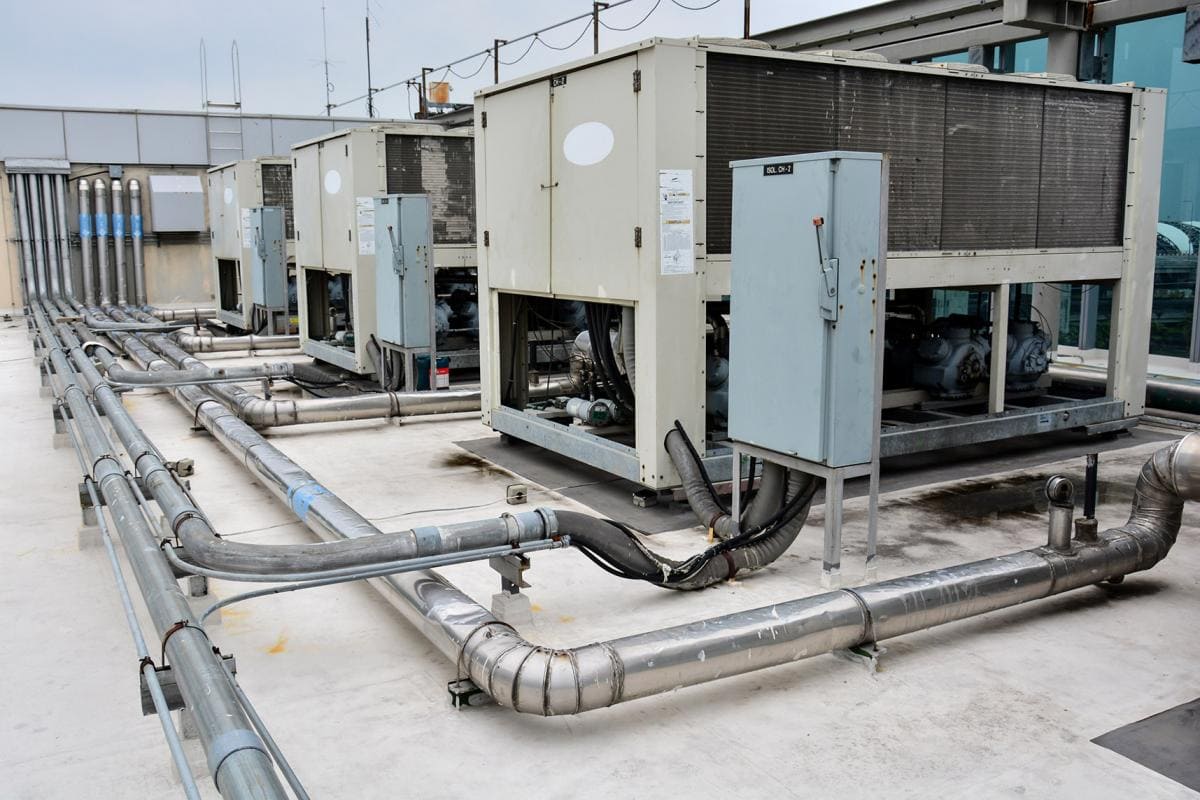
On the various other hand, portable a/c unit provide flexibility, as they can be quickly moved from room to space. These systems usually require an airing vent set more to exhaust hot air with a window, yet they give a convenient option for momentary cooling requirements.
Both kinds of air conditioning unit are appropriate for tenants and those looking for to avoid considerable setup processes. Customers must take into consideration elements such as BTU ability, power efficiency ratings, and sound degrees when choosing an unit to ensure peak performance for their particular space and air conditioning needs.
Geothermal Heating & Cooling Equipments
As energy effectiveness comes to be progressively important, geothermal heating & cooling systems have obtained appeal for their sustainable strategy to climate control. These systems use the steady temperature levels discovered below ground to give heating in winter season and cooling in summertime. By harnessing the planet's natural thermal energy, geothermal systems significantly reduce reliance on nonrenewable fuel sources and reduced energy costs.
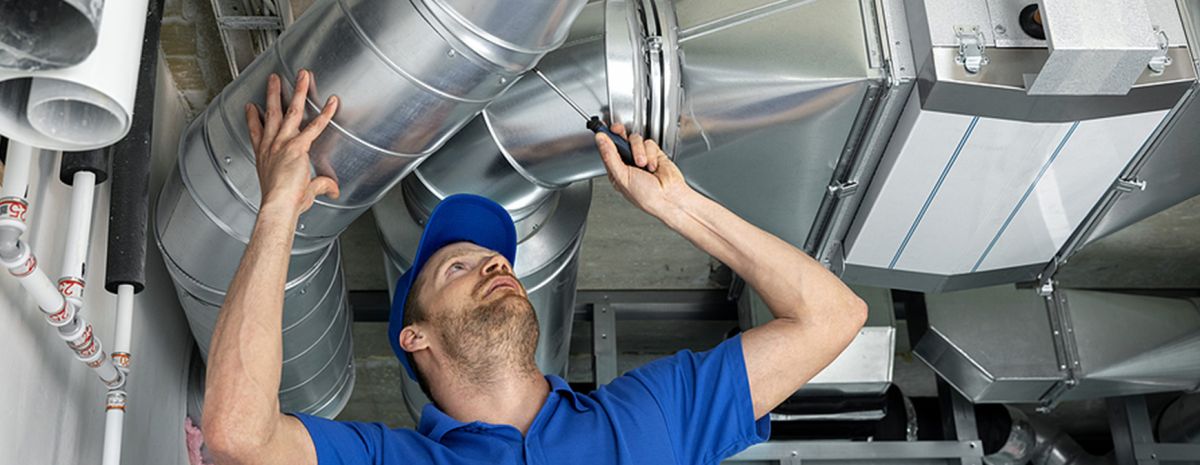
Furthermore, geothermal systems commonly call for less maintenance contrasted to typical a/c systems, causing long-lasting savings - HVAC experts. With increasing awareness of climate adjustment, these systems represent a forward-thinking service for those looking for environmentally friendly and efficient home heating and cooling down choices
Frequently Asked Inquiries
Just how Commonly Should I Solution My Cooling And Heating System?
HVAC systems must preferably be serviced two times a year, as soon as in the springtime and once in the loss. Routine maintenance helps guarantee performance, prolongs life expectancy, and prevents expensive break downs during optimal usage periods.
What Size Cooling And Heating System Do I Need for My Home?
Determining the ideal dimension for a HVAC system requires calculating the home's square video footage, insulation quality, and climate. An expert evaluation guarantees maximum effectiveness, comfort, and power savings customized to the particular requirements of the residence.
Can I Set Up a Heating And Cooling System Myself?
Installing a cooling and heating system independently is possible, however it requires technical knowledge and abilities. Mistakes can bring about inefficiency or safety and security hazards, so consulting an expert is often suggested to assure correct installment and compliance with guidelines.
What Are the Signs My HVAC System Demands Repair Work?
Signs that a HVAC system needs repair work consist of unusual noises, inconsistent temperatures, raised energy costs, unpleasant odors, and constant more biking. Motivate interest to these indicators can avoid more damages and guarantee peak system performance.
Exactly How Can I Enhance My a/c System's Energy Efficiency?
To improve HVAC power efficiency, one need to consistently replace filters, seal ducts, mount a programmable thermostat, assurance correct insulation, and schedule regular maintenance checks. HVAC experts. These activities collectively enhance efficiency while lowering energy intake and prices
Central air conditioning systems supply uniform temperature control, while ductless mini-split systems provide adaptability. Central air conditioning runs by circulating great air with a system of ducts, distributing it evenly throughout the home. Central air conditioning systems are recognized for their performance, typically using programmable thermostats to optimize energy usage. Ductless mini-split systems use a flexible alternative to traditional central air conditioning, catering to house owners seeking reliable climate control without the demand for considerable ductwork. Geothermal systems typically call for less upkeep contrasted to standard Heating and cooling systems, resulting in long-lasting cost savings.